
New report: Health, Climate and the Global Fund
Read the report « Climate, Health and the Global Fund »
Synthesis:
From a public health perspective, climate change is already having profound multifaceted impacts, particularly in Africa and other vulnerable regions. It threatens to provoke a resurgence of major pandemics such as AIDS, tuberculosis, and malaria; facilitate the spread of resistant forms of pathogens; and increase the risk of a newpandemic emerging.
Conversely, health plays a pivotal role in the human impact of climate change. Countries and populations most affected to AIDS, TB, and malaria are also highly vulnerable to climate change. Health investments are especially relevant for relieving and stabilizing communities affected by climate-induced humanitarian crises—such as displaced populations—and for supporting health systems in becoming better prepared and more resilient to future climate shocks.
Innovation and sobriety in health procurement, supply chains, and service delivery models can contribute to climate mitigation efforts, while also enhancing the quality, efficiency, and continuity of care.
The landmark COP28 climate-health declaration, adopted by 140 countries, has paved the way for stronger integration of health into the climate action agenda. This is accompanied by the adoption of new climate-health strategies by major global health institutions, including the Global Fund.
In the face of accelerating climate change, the Global Fund is demonstrating both the adaptability of its model and the relevance of its mission. It has responded flexibly to high-quality country demand for climate-health interventions within its core investments, as well as addressed urgent humanitarian needs following extreme weather events through its emergency fund–while maintaining its high standards of impact, value for money, and transparency.
The Global Fund has also taken new steps to contribute more intentionally to climate adaptation and mitigation. These include the creation of a climate-health catalytic fund, and the development of enhanced technical expertise and guidance to support countries in articulating their climate-health needs.
Between 2023 and 2025, 71% of Global Fund investments are directed to the 50 countries most vulnerable to climate change. These countries account for 87% of the global malaria burden, 48% of the global HIV burden, and 35% of the global TB burden.
The Global Fund is also the first multilateral provider of grants aimed at strengthening health systems’ resilience, sustainability, and preparedness for future pandemics, with investments totaling $2.9 billion over the same period.
Read the report « Climate, Health and the Global Fund »
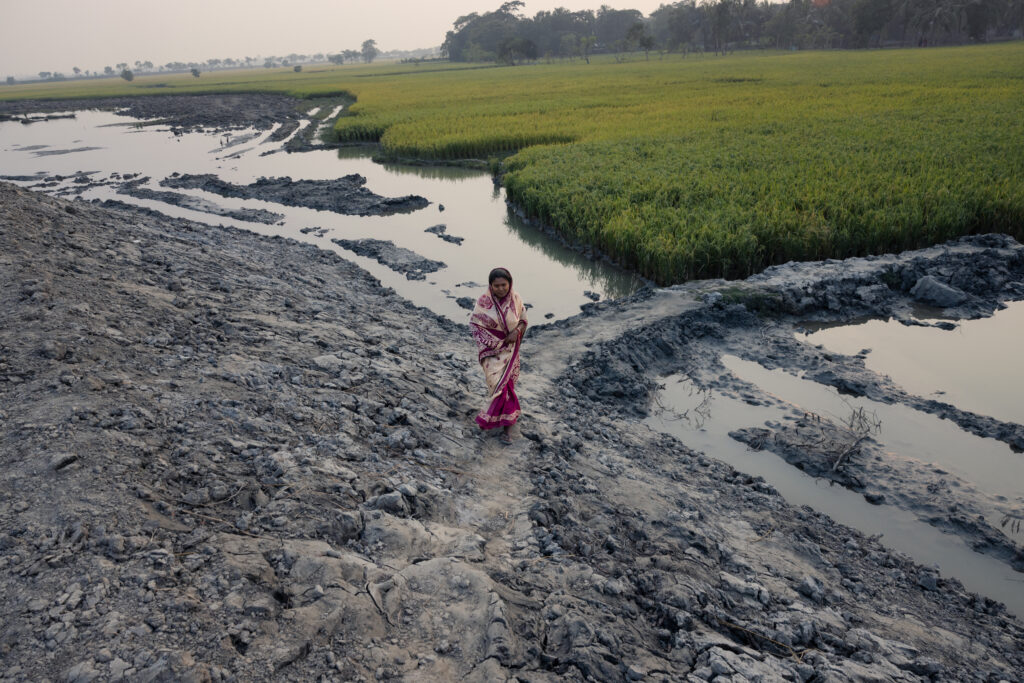
Photo: Vincent Becker, The Global Fund